
Naturopathic Consultation
In a naturopathic consult you can expect it to last longer than a normal visit to your GP. Consults can last anywhere from 30 minutes (in a follow-up consultation) up to 90 minutes in an initial or extended consult.
In the consult we will talk about why you have come (your presenting complaint) as well as other aspects of your health including lifestyle, diet, other body functions, mental and emotional state. We may also look at your physical body such as your eyes, nails, tongue and blood pressure. This allows us to get a more complete picture of where you are at and how we can best support you.

Dietary Report
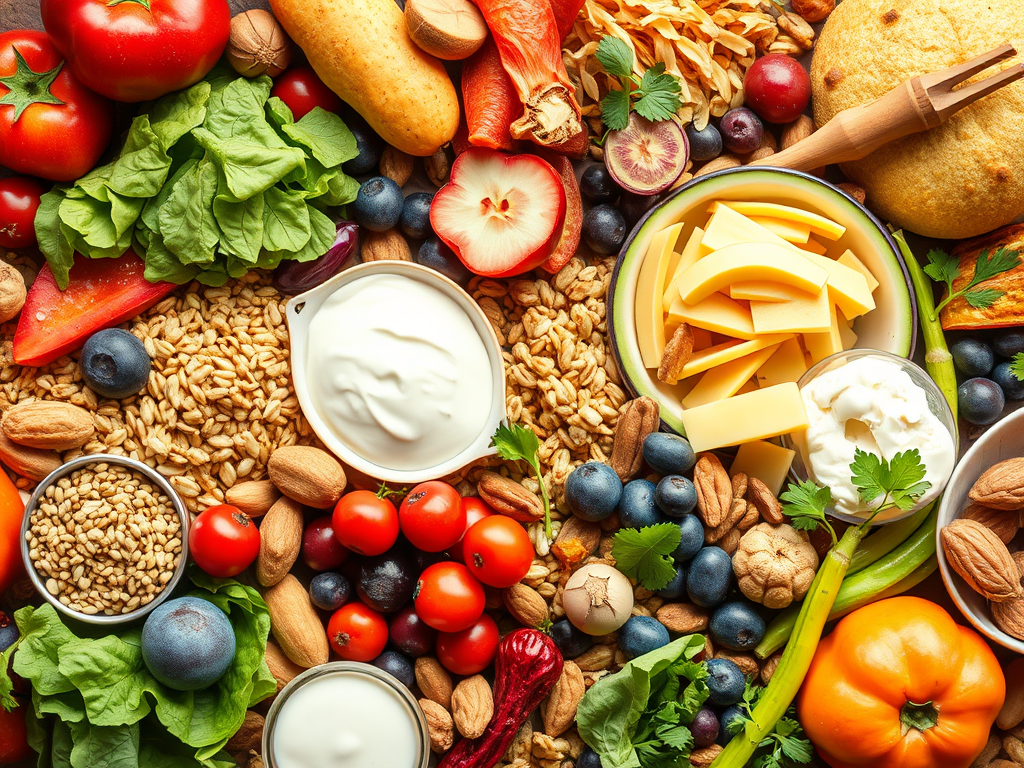
A dietary report involves you taking a diet diary (this can be done easily on an app on your phone or a piece of paper).
From this information about your diet, we will analyse what you eat. We will look at potential areas of nutritional deficiency or excess. From this analysis we can provide you with dietary recommendations to help you achieve your individual health goals.
Iridology Report
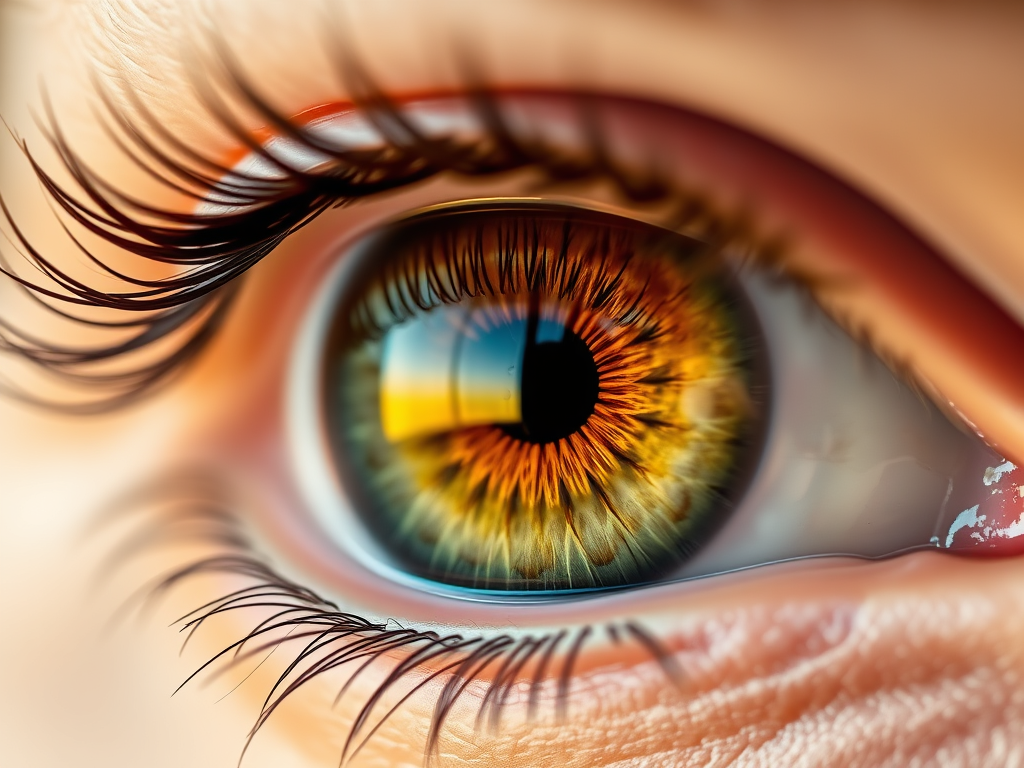
An iridology report is based off the information held in your iris. This information may offer insight into possible areas of poor health, genetic predispositions or personality traits.
Iridology is the study of the iris (the coloured part of the eye), often involving the use of light and magnifying device or camera. Iridology is safe, noninvasive and painless. It can offer insights to body functions and predispositions and can be used as a diagnostic tool in consultations.
Items You May Be Prescribed
As part of your individual treatment plan you may be prescribed a combination of dietary and lifestyle advice (e.g. things you can do or change about your current dietary and lifestyle practices). You may also be prescribed herbal and/or nutritional preparations that you take internally or apply topically, depending on your individual presentation.
Herbal Tinctures
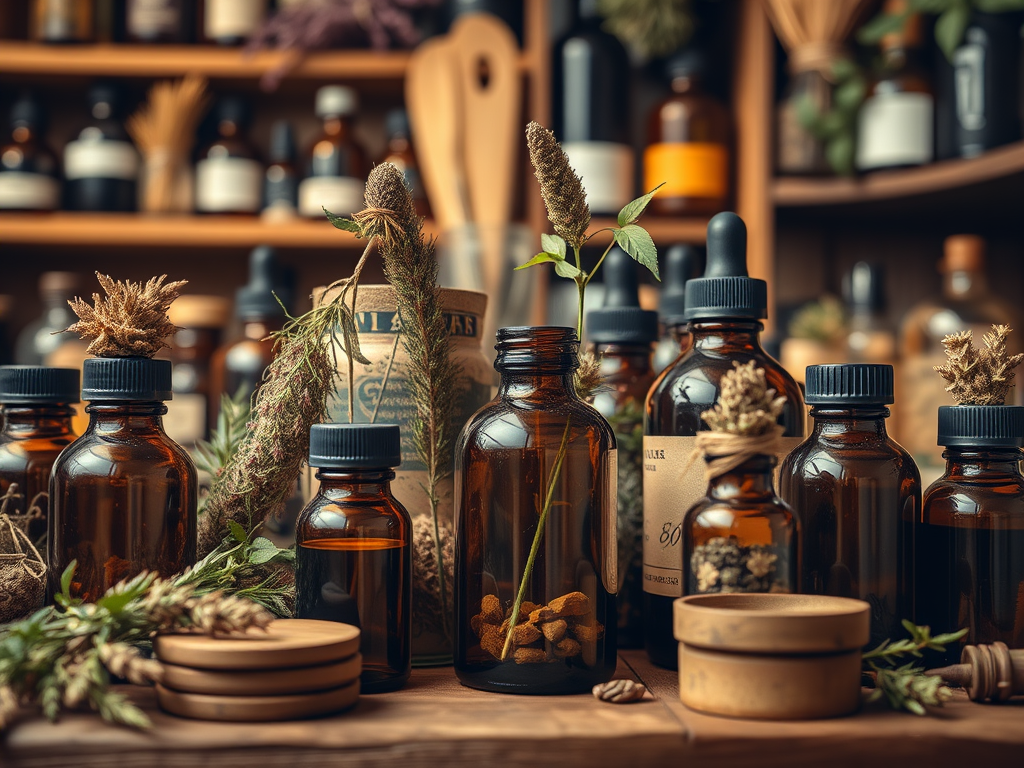
Herbal tinctures are commonly used by many naturopaths. These are often made by extracting properties from dried plant material through an alcoholic distillation. There are other non-alcoholic herbal preparations available for those who do not wish to consume alcohol.
Different Herbal preparations extract different properties (constituents) from the plant. Sometimes one type of preparation is therefore more beneficial than another.
Flower Essence
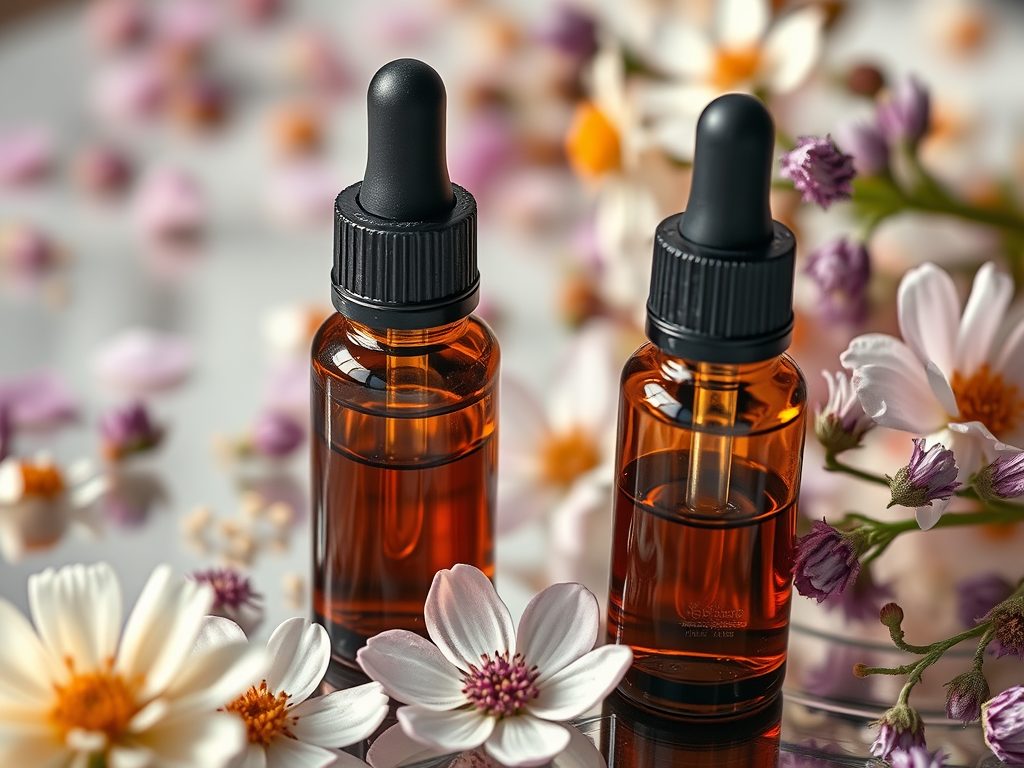
Flower essences are gentle, natural remedies made from the vibrational energy of flowers. You may be familiar with Bach’s Rescue Remedy, which you can find in many shops.
Flower Essences are designed to balance emotions and enhance overall well-being by working on an energetic and emotional level. Often used to support mental and emotional health, flower essences help soothe stress, anxiety, and other emotional imbalances. They are typically taken as drops under the tongue or added to water. The effects of flower essences are subtle yet profound, offering a nurturing way to harmonise mind and body.
Nutritional Supplements
Nutritional supplements are made through various process such as extraction, blending, and compression. These supplements are designed to enhance wellness by providing essential vitamins, minerals, and nutrients that otherwise may be insufficient or lacking from your diet.
Nutritional supplements come in various forms, such as pills, powders, liquids and even chewable gummies.

Herbal Tea
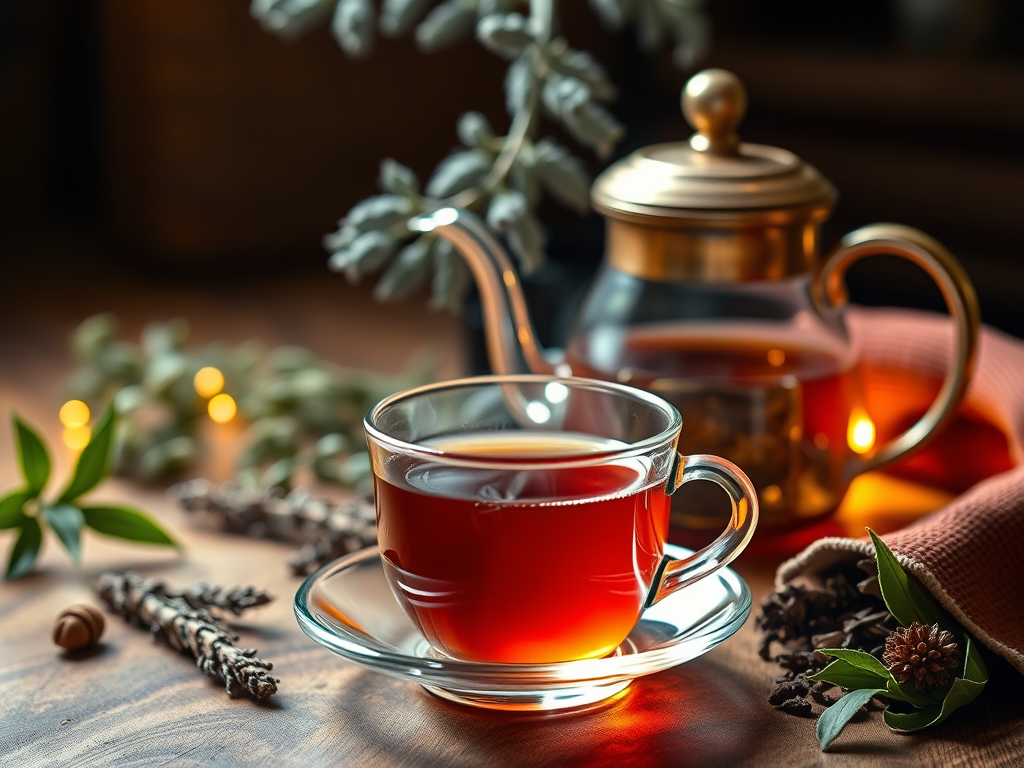
Medicinal herbal teas are a proven and easy to use method of taking herbs. These differ from what we normal call herbal teas, often being much stronger.
Herbal teas can be made in two ways. The first is as a herbal infusion, similar to how you would normally make a cup of tea. This is better suited to the more delicate parts of the plant such as flowers and leaves.
The other method is making a herbal decoction. Herbal decoctions are made by placing the herbs being used on a pot and simmering them for roughly 30min. Decoctions are best used for the hardier parts of the plant such as seeds and roots.

 Lauren Martin Natural Health