

The Importance of Eyes and How to Care for Them
Why Are Eyes Important?
Our eyes are remarkable organs that enable us to experience the beauty and intricacies of the world around us. They allow us to see colours, shapes, and movements, playing an essential role in our daily activities—from reading and driving to recognising loved ones and marvelling at nature. Maintaining good vision is fundamental to our independence, safety, and overall quality of life.
Common eye complaints
Eye Strain
Eye strain is a prevalent issue, often resulting from extended use of digital devices, reading, or driving. Symptoms can include headaches, blurred vision, dry eyes, and neck pain. Contributing factors include inadequate lighting, screen glare, and improper viewing distances.
Dry Eyes
Dry eyes occur when tears are insufficient or evaporate too quickly, leading to discomfort. Causes can range from environmental factors and prolonged screen time to aging and certain medical conditions.
Conjunctivitis
Conjunctivitis, is an inflammation of the conjunctiva—the thin membrane covering the white part of the eye. It can be caused by infections (viral or bacterial), allergies, or irritants such as smoke and chemicals.
Floaters
Floaters are tiny specks or strings that drift across your field of vision. They are typically caused by age-related changes in the vitreous, the gel-like substance inside the eye. While usually harmless, a sudden increase in floaters may indicate a more serious condition, such as a retinal tear.
Glaucoma
Glaucoma encompasses a group of eye conditions that damage the optic nerve, often due to high intraocular pressure. Without treatment, it can lead to vision loss. Risk factors include age, family history, and specific medical conditions.

How we can look after our eyes
Regardless of our age, it is important to care for our eyes. Genetics and medical conditions may have an impact on our eyes, but our habits, work life and daily practices can also influence the health of our eyes. There are several habits that we can incorporate into our daily lives that can protect and care for our eyes throughout our lives, including;
- Limiting screen time: Follow the 20-20-20 rule—every 20 minutes, look at something 20 feet away for 20 seconds.
- Excessive screen time can; cause dry eyes and discomfort, as blink rates are reduced. The glare and blue light from screens can cause eye strain.
- Maintain proper lighting: Ensure your environment has adequate lighting to reduce eye strain.
- Eye strain can happen due to both low or dimly lit environments or glary harshly lit environments.
- Wear sunglasses: Protect your eyes from harmful UV rays by wearing sunglasses when outdoors.
- UV rays can increase the risk of developing eye issues such as cataracts, macular degeneration or photokeratitis (a painful sunburn of the eye).
- Stay hydrated: Drink plenty of water to keep your eyes moist and prevent dry eyes.
- Dehydrated eyes can lead to discomfort, blurred vision, and increased risk of eye infection. Chronically dehydrated eyes can lead to inflammation and damage to the corneal surface.
- Practice good hygiene: Wash your hands before touching your eyes, and remove makeup before bed.
- Good hygiene helps to prevent infections such as conjunctivitis. Removing make-up can also prevent the blockage of the oil glands around the eye, reducing the risk of dry eyes, irritation and possible damage.
- Get regular eye exams: Schedule routine check-ups with an eye care professional to detect and treat issues early.
Nutrients and herbs for eye health
Essential Nutrients
- Vitamin A: Crucial for maintaining healthy vision and preventing night blindness. Found in carrots, sweet potatoes, and leafy greens.
- Vitamin C: An antioxidant that helps protect the eyes from damage caused by free radicals. Found in citrus fruits, berries, and bell peppers.
- Vitamin E: Protects eye cells from oxidative damage. Found in nuts , seeds, and green vegetables.
- Omega-3 fatty acids: Essential for retinal health and reducing dry eye symptoms. Found in fatty fish (e.g. salmon) and flaxseeds.
- Zinc: Supports overall eye health and helps prevent macular degeneration. Found in meat, shellfish, and legumes.
Herbal Medicine
- Bilberry: Known to improve night vision and overall eye health.
- Ginkgo Biloba: May assist with conditions like glaucoma and macular degeneration.
- Eyebright: Traditionally used to treat eye inflammation and infections.
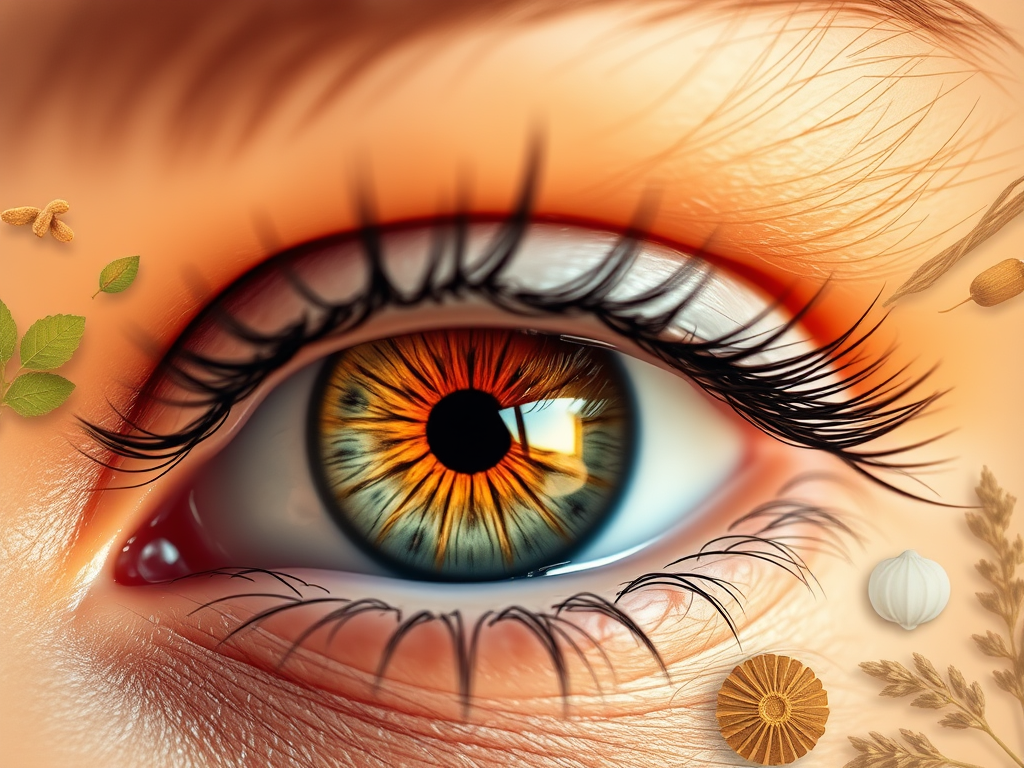
Maintaining good eye health is vital for our overall well-being and quality of life. By understanding common eye complaints, taking preventive measures, and incorporating essential nutrients and herbal medicine into your diet, you can support and preserve your vision for years to come.
For more information book your personalised consultation today! Let’s cherish and care for our eyes—they truly are the windows to the world.

 Lauren Martin Natural Health