


Arthritis is a common condition that causes pain and inflammation in joints such as the fingers, wrists, knuckles, hips, knees, ankles or spine. The term arthritis encompasses more than 100 different types of joint diseases and conditions, affecting people of all ages, genders, and backgrounds. It is a leading cause of chronic pain and disability in Australia. Osteoarthritis is the most common form, affecting around 2.2 million people, followed by rheumatoid arthritis, which affects over 400,000 Australians. The condition is more prevalent among older adults, but it can also affect younger people, including children. Osteoarthritis, which involves wear-and-tear damage to the joint’s cartilage, and rheumatoid arthritis, an autoimmune disorder where the body’s immune system attacks the joints. Other types of arthritis include, but are not limited to, gout, ankylosing spondylitis, juvenile arthritis or arthritis cause by infections or other underlying diseases.
What Happens in the Body?
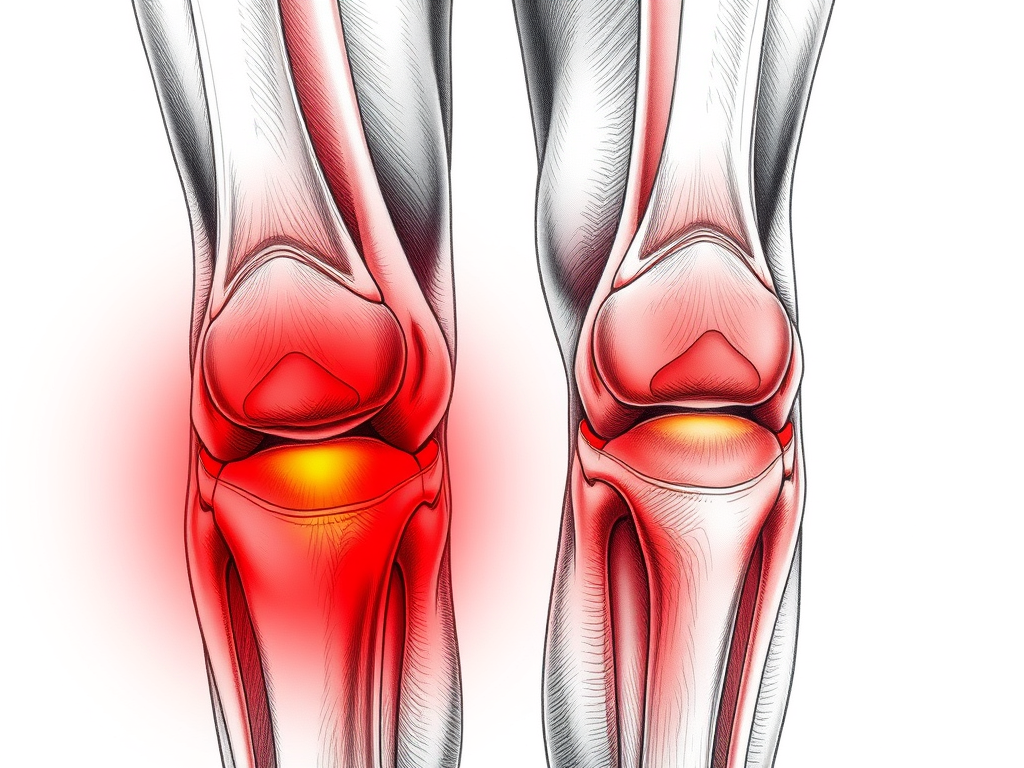
When arthritis develops, the body undergoes several changes depending on the type. In osteoarthritis, the cartilage that cushions the ends of bones in the joints deteriorates over time, causing bones to rub together, leading to pain, swelling, and reduced motion. Rheumatoid arthritis, on the other hand, involves the immune system mistakenly attacking the synovium (the lining of the membranes that surround the joints), leading to inflammation (redness and warmth), which can eventually destroy cartilage and bone within the joint.
What Increases the Risk of Developing Arthritis:
- Age: The risk increases with age.
- Gender: Women are more likely to develop rheumatoid arthritis, while men are more prone to gout.
- Genetics: Genetic conditions or a family history of arthritis can increase the likelihood.
- Obesity: Excess weight puts extra stress on joints, particularly the hips and knees.
- Joint Injuries: Previous joint injuries can increase the risk of arthritis in those joints.
- Occupation: Jobs that require repetitive motion or heavy lifting can contribute to joint wear and tear.
Arthritis may also increase your risk of developing other health issues such as depression and anxiety, obesity, diabetes or cardiovascular disease.
The main goal in treating Arthritis is to reduce the symptoms and improve the quality of life of the person affected by it.
What may help improve symptoms of Arthritis?
- Exercise: Can help to improve strength and flexibility, particularly with the help and guidance of a physical therapist.
- Maintaining a healthy weight: Through diet and exercise helps to reduces excess stress on joints.
- Managing stress: Emotional stress can lead to increased pain perception.
- Hot and Cold Therapy: May reduce joint pain and inflammation.
- Assistive Devices: Using braces, splints, or canes can support joints and improve mobility.
- Medications: Pain relievers, anti-inflammatory drugs and/or herbal medicine.

When Should We Start Implementing Preventative Methods?
Prevention should begin as early as possible, ideally in childhood. Encouraging healthy habits such as regular exercise, a balanced diet, and avoiding joint injuries can set the foundation for joint health. For those with a family history of arthritis, being proactive about prevention can be particularly important. These preventative measures can help reduce inflammation in the body, reduce joint stress, strengthen muscles around joints and maintain joint function.
By understanding arthritis, its risks, and prevention strategies, we can take steps to manage and mitigate its impact effectively. Whether through lifestyle changes, medical interventions, or early preventative measures, there are numerous ways to combat arthritis and improve the quality of life for those affected.
If you would like to learn more about what can be done to help prevent or manage arthritis naturally, book your personalised health consultation today.

 Lauren Martin Natural Health
Leave a comment