
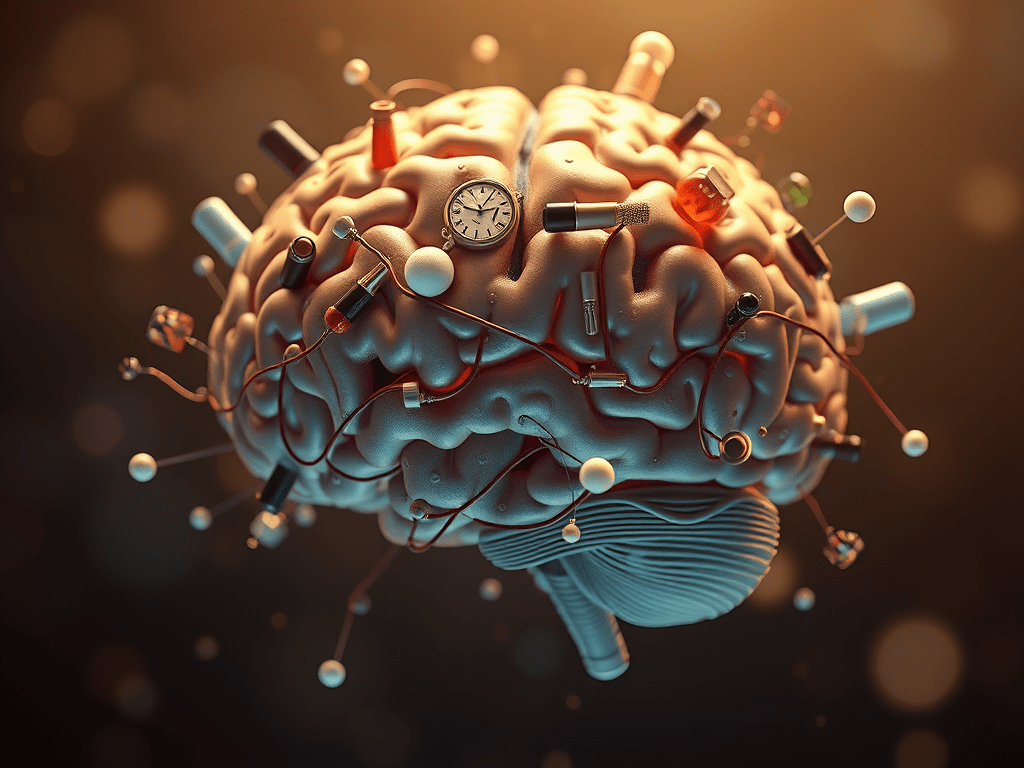

What is Addiction?
Sometimes we say things such as ‘I’m addicted to chocolate’, or ‘I’m addicted to a certain TV show’. It is not uncommon to use the word addiction to indicate something we are passionate about and are interested in. This seemingly harmless use of the word is a far cry from the medical condition known as addiction.
Addiction is a complex chronic disease that affects the brain and body. It is characterised by the compulsive use of a substance or engagement in a behaviour despite harmful consequences. Addiction can take many forms, including substance use disorders (such as alcohol, drugs, and nicotine), and behavioural addictions (such as gambling, internet use, and shopping). Addiction often has far reaching effects that may significantly impact on relationships, our work, friends and family.
There is still stigma – a negative perception and attitude – towards people who live with addictions, although there are many people who are addicts. In Australia, according to the Department of Health, there are more than 2 million people suffering from various forms of addiction.1 in 6 Australians have a drug addiction, while 1 in 10 have an alcohol addiction.
The Nature of Addiction
Addiction is not simply a matter of weak willpower or moral failure; it is a medically recognised condition that requires treatment and support. It involves changes in brain chemistry and function, which lead to physical and psychological dependence.
What Happens to Our Bodies in Addiction?
The Brain
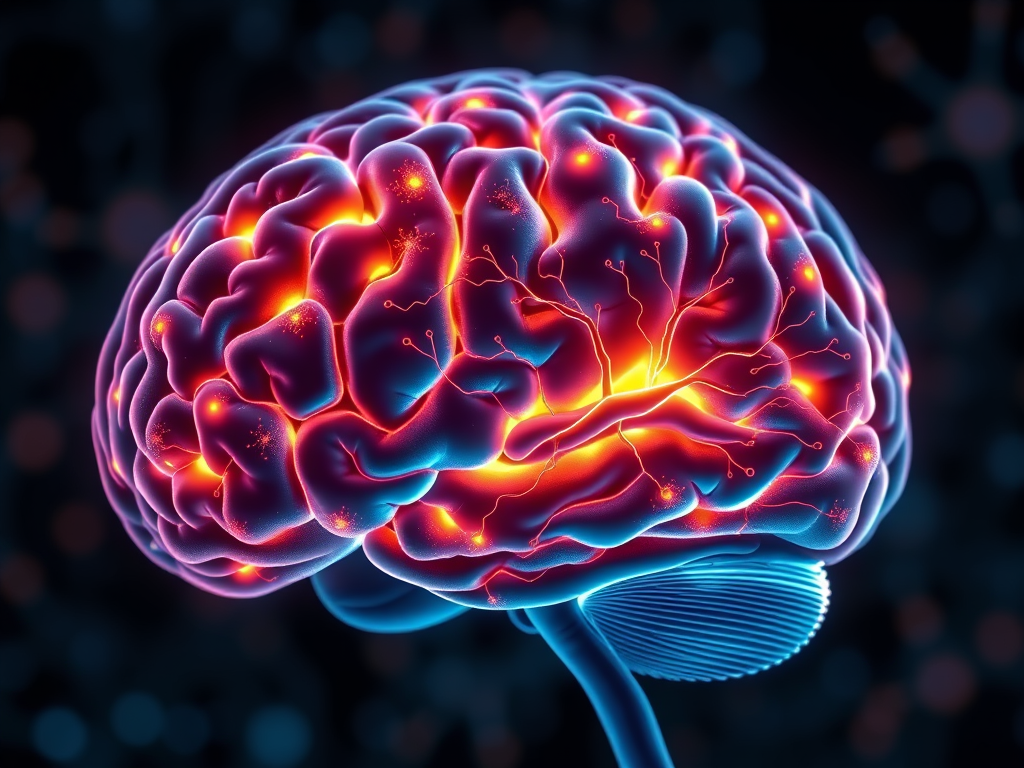
Addiction profoundly affects the brain, particularly the areas involved with reward, motivation, memory, and control. When a person engages in addictive behaviour, or consumes an addictive substance, their brain releases dopamine – a neurotransmitter associated with pleasure and reward. Over time, the brain’s reward system becomes altered, leading to increased tolerance and dependence. This means that the individual needs more of the substance or behaviour to achieve the same pleasurable effects.
Addiction impacts on both the physical and mental health of the individual. These symptoms may vary depending on the specific addiction, but may include:
- Changes in appetite or weight
- Sleep disturbances
- Fatigue and lethargy
- Increase in illness or infections
- Withdrawal symptoms, such as nausea, sweating, and shaking
- Anxiety and depression
- Paranoia and hallucinations (in severe cases)
- Decreased ability to concentrate
- Memory problems
- Changes in behaviour and personality
Mental health disorders and addiction often co-occur, creating a vicious cycle where each condition exacerbates the other.
Risk Factors
As mentioned earlier, addiction is not matter of weak willpower or moral failure, there are several risk factors that can contribute the developing and addiction, including:
- Genetics: Family history of addiction can increase susceptibility.
- Environment: Exposure to substance use or addictive behaviours in the home or community.
- Mental Health: Pre-existing mental health conditions such as anxiety, depression, or trauma.
- Peer Pressure: Influence from friends or peers who engage in addictive behaviours.
- Early Use: Early exposure to addictive substances or behaviours can increase the likelihood of addiction.
Several factors can exacerbate addiction, including:
- Isolation: Lack of social support
- Stress: High levels of stress and poor stress management
- Availability: Easy access to addictive substances or behaviours increases the likelihood of relapse.
- Co-occurring Disorders: Untreated mental health conditions
What can we do about Addictions?
Overcoming addiction is challenging but possible with the right approach and support.
You may be familiar with the saying ‘it takes a village to raise a child,’ so like many things in life we do better and go further if we do it together, (and not just in reference to the upbring of children). It also takes a ‘village’ to deal with and overcome the complex condition that is addiction.
What can be done to help?
- Recognise the problem: This can be the hardest step, as denial is common among those struggling with addiction.
- Seek professional help: This can include therapy, counselling, medical treatment, rehabilitation programs and/or support groups (e.g. AA or NA) to help with the addiction and any underlying issues.
- Create a support system: Family, friends, support groups. A strong support network can provide encouragement, accountability and emotional support.
- Develop healthy coping mechanisms: Replace addictive behaviours with healthier alternatives (e.g. exercise, hobbies, mindfulness practices, stress management techniques etc.)
- Address underlying issues: Such as trauma, depression, or anxiety through therapy.
- Follow a healthy lifestyle: Regular exercise, a balanced diet, and adequate sleep to improve physical and mental health.
- Mindfulness and Stress Management: E.g. meditation, yoga, and deep breathing.
- Positive Environment: Surrounding oneself with positive influences and avoiding triggers can support long-term recovery.

Addiction is a multifaceted condition that affects the brain, body, and mind. It is often a subject that we don’t openly talk about, but affect many individuals, as well as their family and friends. Understanding the nature of addiction, recognising risk factors, and taking proactive steps toward recovery are crucial. With the right support and strategies, it is possible to overcome addiction and lead a healthier, more fulfilling life. If you, or someone you love is suffering from addictions, we are happy to journey with you as part of your professional support system.
As Helen Keller said, ‘Alone we can do so little, together we can do so much.’
For more information contact us and book your personalised health consultation today.

 Lauren Martin Natural Health
Leave a comment