
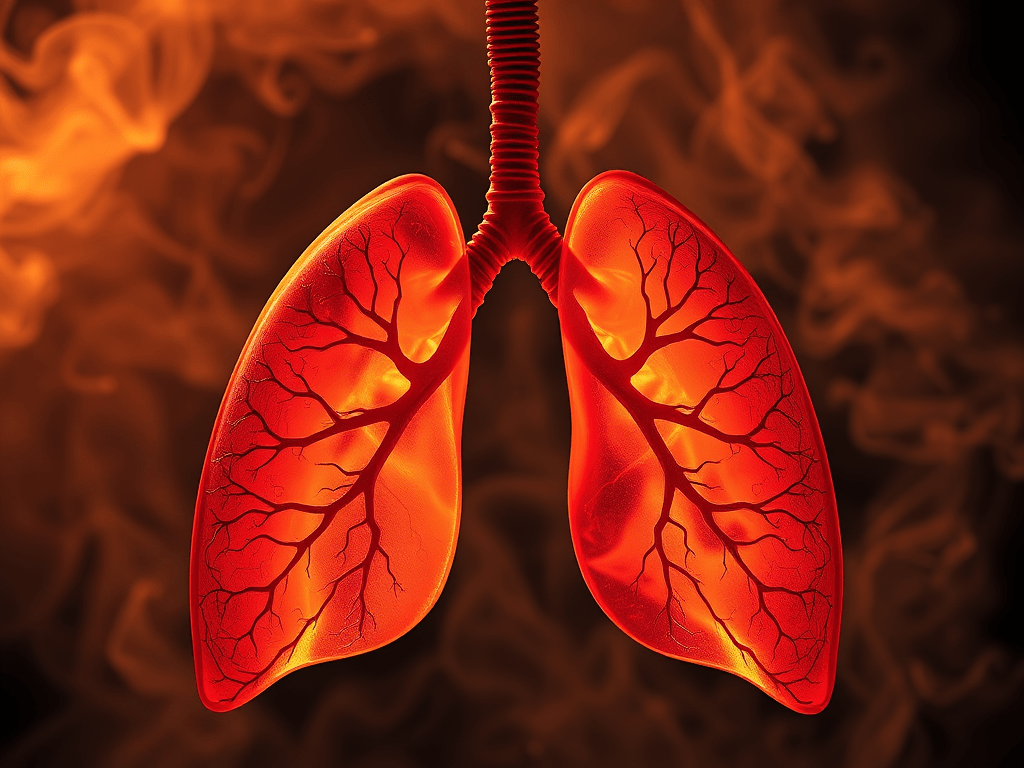

We all know that part of being alive (and keeping it that way) involves breathing! We do this every day without thinking – but do we take time to think about the quality of the air we breathe and the resulting health of our lungs? Lung health is crucial for our overall wellbeing. The lungs play a vital role in providing our body with oxygen and removing carbon dioxide from our body.
How the Lungs Work
The lungs are essential organs in the respiratory system. When we inhale, air travels through our nose or mouth, down the trachea, and into the bronchi, which branch into smaller bronchioles within the lungs. These bronchioles end in tiny air sacs called alveoli, where the exchange of oxygen and carbon dioxide occurs. Oxygen from the air passes through the alveoli walls into the bloodstream, while carbon dioxide from the blood is expelled from the body when we exhale.
Just like our heart, muscles, joints, bones or digestive system it is important for us to look after our respiratory system including our lung health. Factors that can negatively impact on our lung health include:
- Smoking
- Air pollution
- Exposure to hazardous chemicals
Smoking is the leading cause of lung diseases such as chronic obstructive pulmonary disease (COPD) and lung cancer. Air pollution, including particulate matter and toxic gases, can also damage the lungs and exacerbate conditions like asthma. Additionally, occupational exposure to harmful substances, such as asbestos or silica, can lead to serious respiratory issues.
Effects of Smoking, Pollution and Vaping on Lung Health
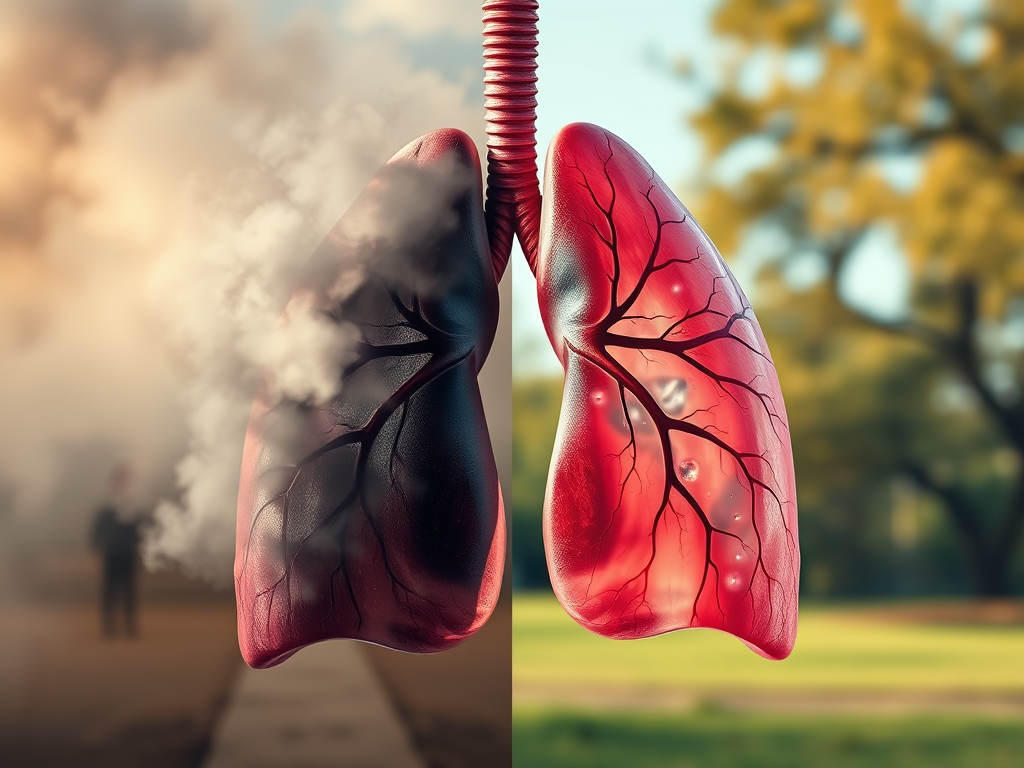
Smoking introduces harmful chemicals like tar, nicotine, and carbon monoxide into the lungs, causing inflammation and damage. These substances can lead to chronic obstructive pulmonary disease (COPD), emphysema, and lung cancer. Tar coats the lungs’ inner lining, reducing gas exchange efficiency, while nicotine constricts blood vessels, limiting oxygen flow.
Air pollution consists of particles and gases detrimental to lung health. Particulate matter like dust and soot can penetrate the lungs and bloodstream, causing asthma, bronchitis, and decreased lung function. Toxic gases, such as nitrogen dioxide and sulphur dioxide, irritate the airways, exacerbating lung conditions. Both smoking and air pollution weaken the immune system, making the lungs more vulnerable to infections. Children, the elderly, and those with preexisting respiratory conditions are particularly at risk.
Vaping has become popular among young adults as an alternative to smoking. While it eliminates some harmful substances found in cigarettes, it introduces others that can seriously damage respiratory health. Vaporized chemicals cause airway inflammation and chronic bronchitis. Flavouring agents like diacetyl are linked to severe lung diseases, and nicotine can impair lung function and development. Toxic metals from e-cigarette aerosols, such as lead, nickel, and chromium, can further harm lung tissue and gas exchange.
Lung Health As We Age
As we age, our lungs, like every other part of our body, undergo changes that can impact their function and overall health. The natural ageing process leads to a gradual decline in lung capacity and elasticity, making it more difficult to breathe and exchange gases efficiently. This decline is a normal part of ageing but can be exacerbated by lifestyle factors and environmental exposures.
With age, the muscles that support breathing, including the diaphragm, weaken, reducing the ability to take deep breaths and cough effectively, which increases the risk of respiratory infections. The alveoli can lose their shape, reducing the surface area for gas exchange. The immune system becomes less effective, making older adults more susceptible to respiratory illnesses like pneumonia and influenza. Chronic conditions such as COPD are more common in older adults, often due to smoking or long-term exposure to pollutants.

What Can Be Done to Improve Lung Health
We may not be able to control the environment around us, but there are practices that we can incorporate into our daily health routines that will help us maintain the health of our lungs. These proactive lung health measures include:
- Quit Smoking: If you smoke, seek help to quit.
- Avoid Pollutants: Minimize exposure to indoor and outdoor air pollutants. Use air purifiers at home, ensure proper ventilation, and wear masks in high-pollution areas.
- Exercise Regularly: Engage in physical activities that promote cardiovascular and respiratory health. Aerobic exercises, such as walking, running, or swimming, can strengthen the lungs.
- Eat a Balanced Diet: Consume a diet rich in fruits, vegetables, and whole grains.
- Practice Breathing Exercises: Techniques such as diaphragmatic breathing and pursed-lip breathing can improve lung capacity and efficiency.
By taking these steps, you can help ensure that your lungs remain healthy and function optimally, contributing to your overall health and quality of life. If you would like to know more or have any questions book your personalised health consultation today!

 Lauren Martin Natural Health
Leave a comment