

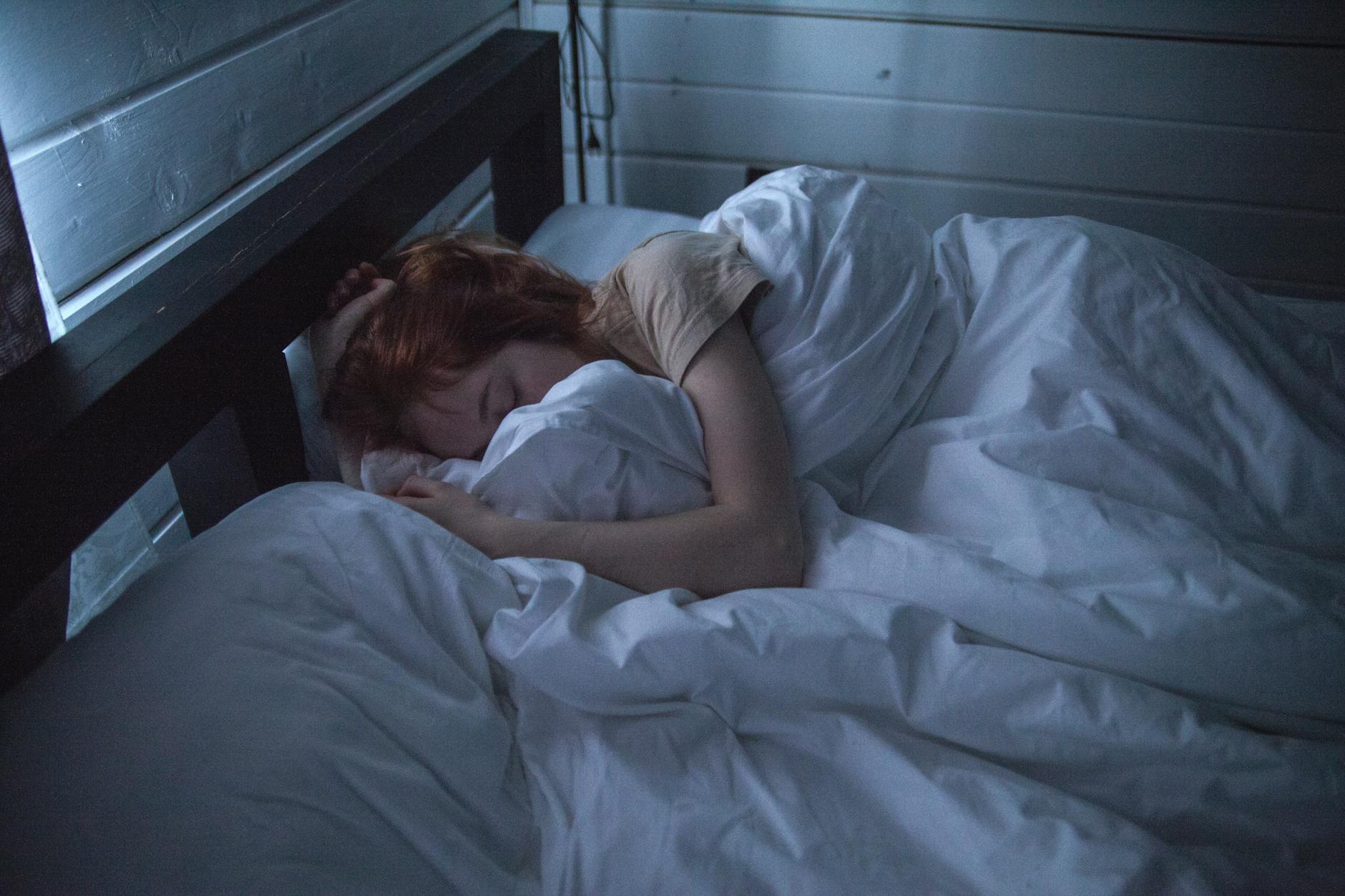
How many mornings have you wished you could have a few more minutes sleep, or spent an evening looking forward to settling into your bed for a – hopefully – goodnight’s sleep. We can all recall those days when you have to drag yourself through the day after a poor night’s sleep!
We all need sleep, and it is something we all regularly endeavour to do. Like food and water, sleep is essential to maintaining our health. According to the Sleep Health Foundation, approximately 33-45% (or nearly 1 in 3) of Australian adults suffer from inadequate sleep, either in duration or quality, with half of people aged 65+ reporting having sleeping problems.
What Happens to Our Bodies When We Sleep?
During sleep, our brains process and consolidate information, form new neural pathways and clear waste products. Hormones are released, our immune system fights any infections, inflammation, or damage from stress. Sleep is also important for mood regulation and emotional stability. It’s no wonder that a lack of it can lead to some very tired grumpy and sick people.
When we sleep;
- Cognitive function: our brain processes and consolidates memories, improves memory recall and our ability to learn new tasks. Sleep improves our concentration, creativity and problem-solving abilities.
- Emotional and mental well-being: sleep significantly impacts our emotional regulation and mental health. It can help stabilise our mood and allows the brain to process emotional experiences (helping us to manage stress and build resilience).
- Health and recovery: Sleep is essential for our physical health and our body’s ability to recover from daily stresses and injuries. During deep sleep, our body is able to repair tissue, builds muscle and strengthen the immune system (this allows us to fend off illnesses and recover more quickly when sick). Sleep also helps in the regulation of hormones that control hunger and appetite (e.g. leptin and ghrelin), metabolism and growth. This helps to regulate the body and maintain healthy blood pressure, weight, cholesterol etc. levels.

When we don’t get enough sleep on a short-term basis, we are at an increased risk of;
- Impaired cognitive function (e.g. reduced attention, alertness, concentration, reasoning, problem-solving)
- Impaired physical performance (e.g. decreased physical strength, coordination, endurance)
- Mood fluctuations, irritability and stress.
Long-term or a chronic lack of sleep has been shown to increase the risk of;
- Weakened immune system (meaning we are more susceptible to illness)
- Poor mental health (e.g. depression, anxiety)
- Cognitive decline (e.g. dementia in older adults).
- Reduced desire/ability to engage in social activities.
- Strains on personal and professional relationships
- Developing chronic health conditions (e.g. obesity, diabetes, cardiovascular disease, and hypertension)
Risk Factors for Sleep Disorders
There are several factors that can help or hinder a good night’s sleep. For those of us who live in areas that are hot and humid in summer, we may be aware of how much our sleeping environment (e.g. summer verses winter) impacts on our sleep. Light and noise are other common environmental factors that impact on our sleep, whether it’s our ability to fall asleep (onset) or stay asleep (duration).
Medical conditions such as chronic pain, breathing disorders (including asthma) or neurological conditions may also cause poor sleep. Lifestyle factors such as stress and anxiety and a lack of physical activity may also interfere with sleep.
What may help your sleep?
Sleep Hygiene
When you think of the word hygiene you may think of washing your hands or brushing your teeth, but our hygiene – or practices that contribute to our health – around sleep is also extremely important. Poor sleep hygiene can lead to poor sleep and ultimately poor health.
What is good sleep hygiene?
- Keeping a regular sleep schedule, even on the weekend (avoiding having a significant variation between weekday and weekend wake and sleep times) to help regulate your body’s internal clock.
- Avoiding an excessive amount of screen time and/or light exposure at least 30 minutes before bed
- Not consuming caffeine, alcohol or heavy meals late at night
- Create a relaxing bedtime routine (this may include dimming lights, listening to gentle music, reading or taking a warm bath)
- Ensure your bedroom is cool, dark and quiet and that your bed and bedding are comfortable.
Other things that may help sleep;
- Counselling, pharmaceuticals, CPAP machines.
- Stress reduction (e.g. deep breathing, meditation, yoga)
- Physical activity during the day (avoiding vigorous exercise before bed)
It is all too easy to think of a good night sleep as a luxury and not as essential to our health, or a priority in our lives. Poor sleep has far-reaching impacts on all aspects of our lives, physical, mental and emotional. If you would like more information on sleep and how you may improve it, book your personalised health consultation today.


 Lauren Martin Natural Health
Leave a comment