
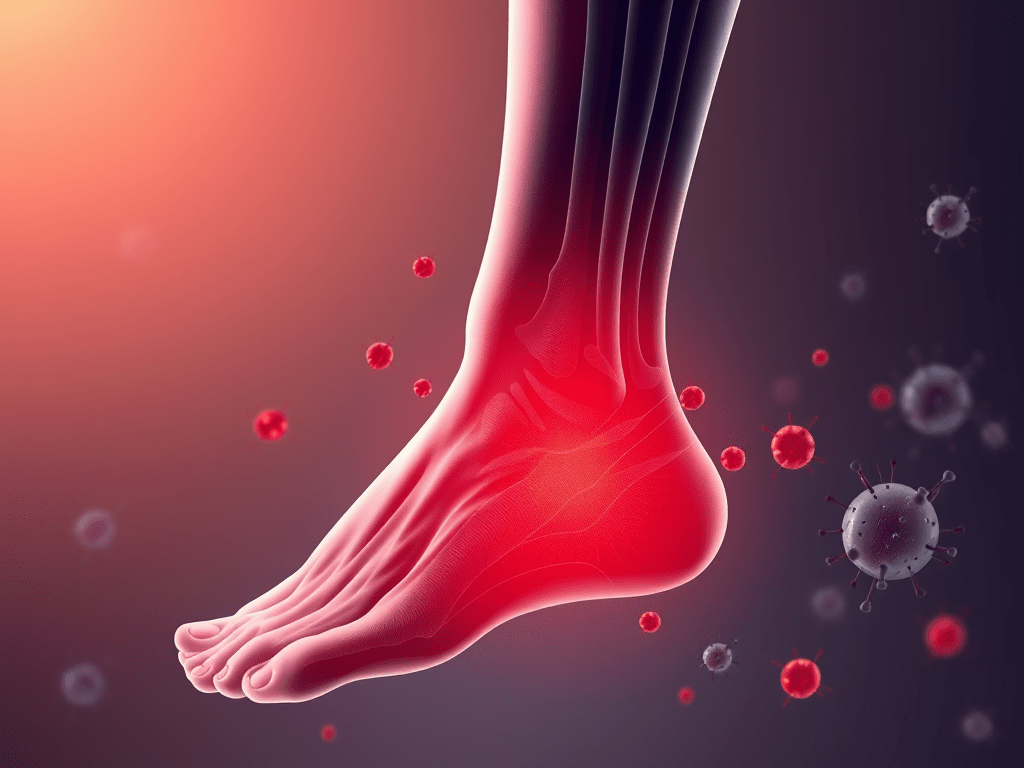
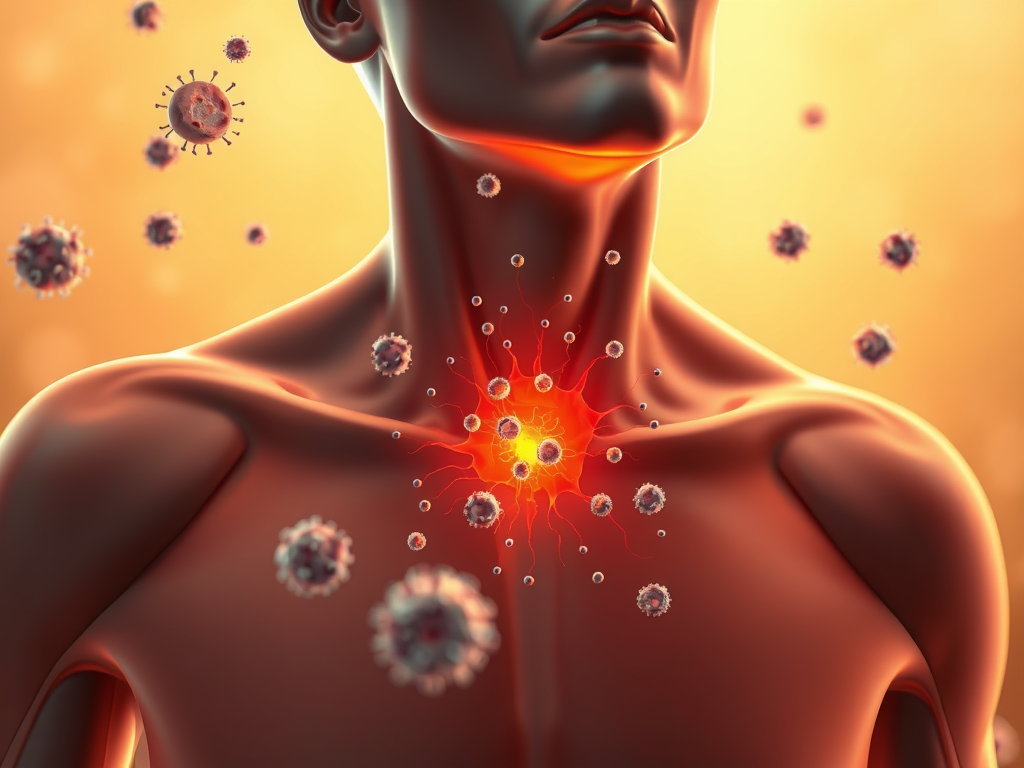
Have you ever had a part of your body become inflamed? Maybe you have twisted your ankle and it became swollen, or it became warm or inflamed from being injured? Maybe you had a cut that wasn’t properly cleaned and became angry, red, warm and inflamed. Perhaps your body is simply fighting off a cold?
What is inflammation
Inflammation is a natural response our bodies have to injury, infection or illness. This response involves our immune system (such as white blood cells) reacting to a foreign body (e.g. bacteria or virus), injury or illness. Inflammation is an essential part of the healing process, and acute instances of inflammation, although often uncomfortable, are part of the response of a healthy immune system. Inflammation may be problematic when it occurs inappropriately, or is present for an extended time, which is what happens in chronic and/or an autoimmune response.
Is Inflammation Bad?
Although acute inflammation is beneficial and important part of the natural healing process, chronic inflammation may be detrimental our health. Chronic inflammation, lasting for months or even years, is associated with higher risk from a number of health conditions.
Chronic inflammation may increase the risk of conditions such as;
- Heart disease
- Diabetes
- Cancer
- Autoimmune disorders
- It may also cause persistent pain and tissue damage.
What Happens to the Body During Inflammation?
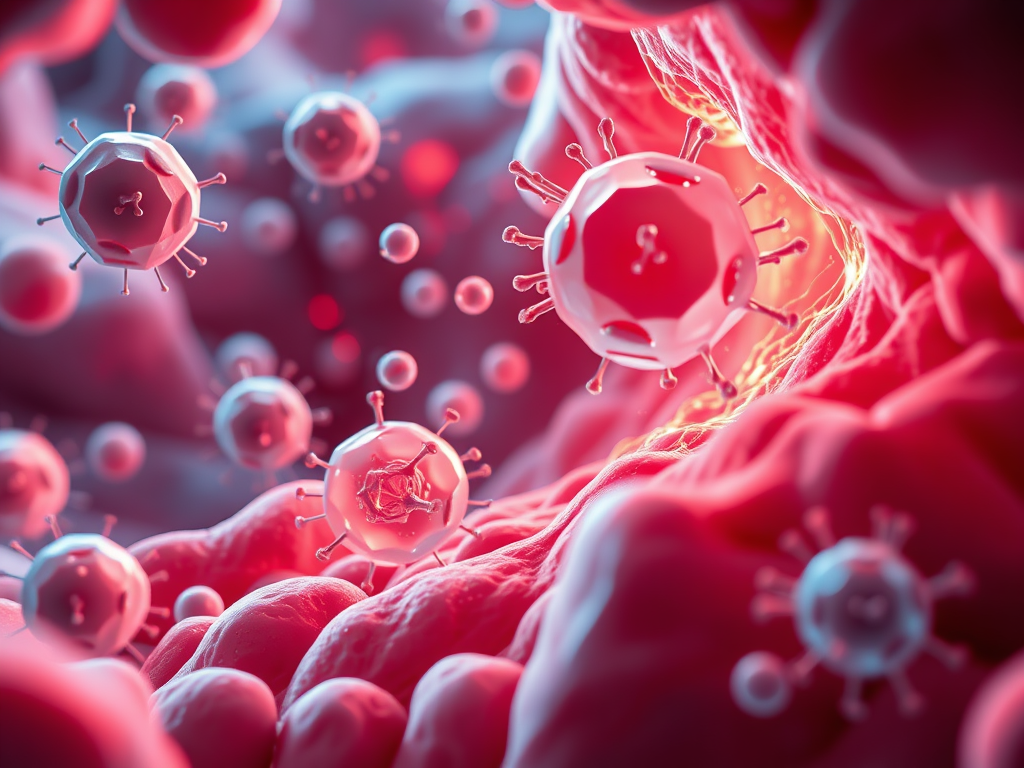
When inflammation occurs, your body increases blood flow to the affected area, which is why that area to becomes red and warm. While this is happening, white blood cells rush to the site to fight off infection, and chemicals (cytokines) are released to trigger even more immune responses. This can lead to swelling, pain, and loss of function in the inflamed area. In chronic inflammation, these responses may persist, leading to prolonged discomfort and potential damage to surrounding tissues.
How to Reduce Inflammation – aka Anti-Inflammatory
Now that we have a basic understanding of inflammation, what, if anything, can we do to reduce it? In the case of a twisted ankle, we may elevate the ankle and put an ice pack on it. For a cut we may make sure the wound is properly cleaned, treated with an antiseptic, compressed or covered to prevent bacteria and other foreign bodies entering it.
Another way to reduce inflammation involves working with a health care professional, using lifestyle, dietary, and supplemental and medicinal approaches to reduce inflammation.
- Diet: Consuming anti-inflammatory foods such as fruits, vegetables, nuts, and fatty fish can help. Avoiding processed foods, sugar, and trans fats is also beneficial.
- Exercise: Regular physical activity helps reduce systemic inflammation and improve overall health.
- Stress Management: Practices such as meditation, yoga, nature bathing and deep breathing can lower stress, which in turn reduces inflammation.
- Sleep: Ensuring adequate sleep is crucial, as poor sleep can increase inflammatory markers.
- Medications: Nonsteroidal anti-inflammatory drugs (NSAIDs) and corticosteroids can help manage inflammation, but should be used under a doctor’s supervision.
- Supplements: Omega-3 fatty acids, curcumin, and other supplements have anti-inflammatory properties and may be beneficial.
- Herbs: anti-inflammatory herbs such as Boswellia or Turmeric can be used to reduce inflammation in the body.
Understanding inflammation, the role it plays in healing, its effect on the body, and what to do about it, is helpful in maintaining our health now and into the future. If you or someone you love is living with inflammation, has questions, or would like to take the next step on your health journey book your personalised health consultation today!

 Lauren Martin Natural Health
Leave a comment