

By now we are well familiar with the concept and practices of social distancing, its necessity, and it’s benefits in reducing the spread of disease. One of the changes resulting from this increased awareness of the spread of diseases has been physical touch.
When I say touch, I don’t mean inappropriate or overly dramatized instances. What I mean is something as simple as a friendly hug, a pat on the back, holding another’s hand. Even a smile and a quick conversation – although not physical – can make a huge difference to our wellbeing.
As we continue to journey through life, we are invited to find the balance between safety (e.g. stopping the spread of disease) and meeting a base human need – that is touch, connection and communication.

“Touch is… light stretching its arms through the darkness. A word whispered in the night. A smile on the lips of eternity.” (Johnson, 1985, p. 8)
Studies revealed that children deprived of touch were generally significantly compromised in both their emotional and physical development. They exhibited higher levels of anxiety, depression and behavioural issues. Later in life, these children found difficulty in developing healthy attachments and relationships. This highlights the need for touch in early childhood, for the development of a sense of security and wellbeing.
As we age, this need for touch, for human connection does not go away. We, as human beings, are a communal or social species. We need to feel connected in some way, whether it’s sitting in the same room doing different activities, large parities and social gatherings or anything in between. Offering friendly embraces or handshakes to everyone you meet, or only one person.
Collectively, we are increasingly becoming more and more isolated from each other. There is an increasing number of elderly living alone or in care who do not have contact with friends or family, there is a greater movement of people away from family groups, an increasing number of people are remaining single for longer, and there is a decreased sense of community and knowing your neighbours.
The benefits of touch
There is still a place and a need to maintain social distancing protocols, but we must do this recognising the importance and profound impact of physical touch in our lives. Individually and communally we must continue to find safe and consensual ways of incorporating touch into our daily lives. Afterall, these interactions may help us maintain the essential human connection we all need to not only to survive, but to thrive.
Physical touch may help us with;
- Socialisation
- Emotional intimacy and connections. (Appropriate forms of touch can convey empathy, offer comfort, support, security and reassurance during times of stress).
- Build trust and strengthen relationships
- Lower stress hormones (e.g. cortisol) and increasing oxytocin (the ‘love’ hormone) – promoting bonding and reducing anxiety.
- Increased sense of calm
- Improve immune function, reduce plod pressure, alleviate pain.
- In Children: Emotional and psychological development – including the development of self-esteem, social skills and promoting healthy interactions with others
- In Adults: Mitigate feelings of loneliness and depression, contributing to a greater sense of happiness and belonging.
I cannot stress enough, that it is important that any form of touch is consensual between all parties involved. This may mean considering differences in religious beliefs, cultural background, and/or generational social normalities.
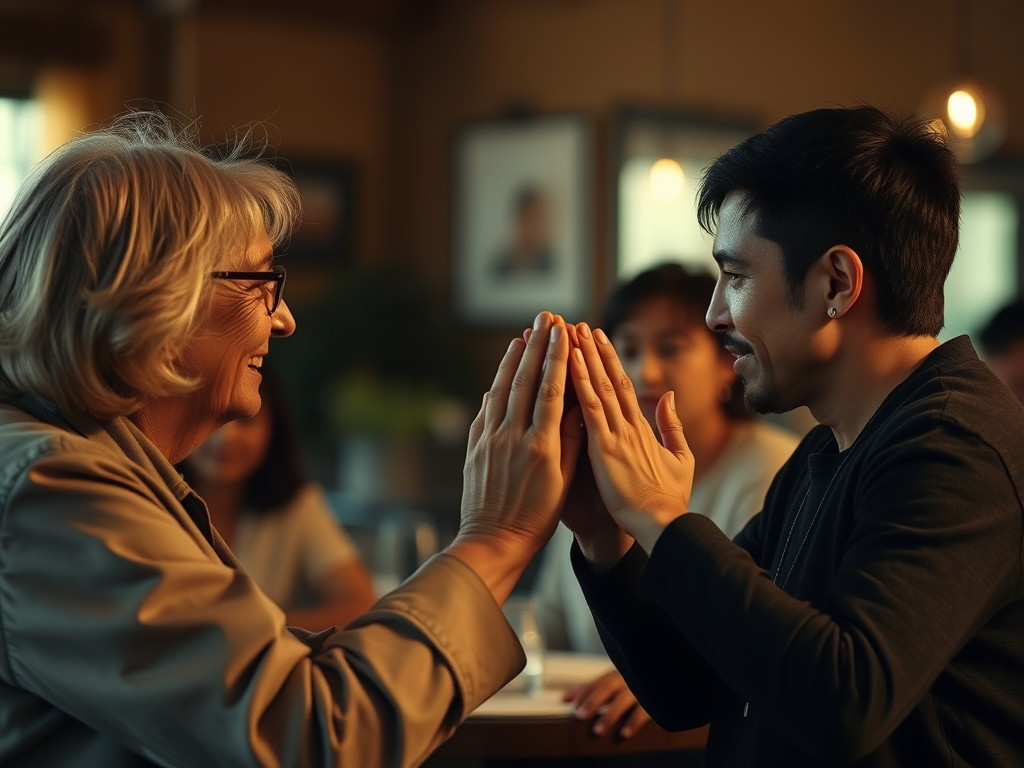
“Touch is more than the physical sense of reaching with your hand and coming into contact with an object or person. Touch is also communication. Touch is association. Touch is the sense of belonging or the sense of connectedness within a society.
Touch must begin with the act of reaching… To reach out, the mind must first reach within. A word or gesture is first created in the minds. It is then conveyed through communication.” (Johnson, 1985, p. 22)
On a more spiritual level – that bit of us that is not physical or mental – touch, a smile or a conversation is our spirit or essence of being is interacting with another’s spirit.
“Touch allows us to extend our world outward. The patterns within us become the patterns around us. These inward patterns extended outward are the living pathways through which energy is exchanged between people.” (p23)
Looking after our bodies is not just taking care of our physical body, but also of mental, emotional and spiritual self as well.

“Touch is… hearing the grass giggle when you walk barefoot. Watching the Sunrise with yourself. Dancing with the trees” (Johnson, 1985, p. 113)
I invite you to safely and consensually extend your hand, a smile or a friendly conversation with those around you. Acknowledging the power and importance of touch and connection in and on our lives. If you have any questions or wish to explore the importance of touch and connection, book your personalised consultation today.

 Lauren Martin Natural Health
Leave a comment