
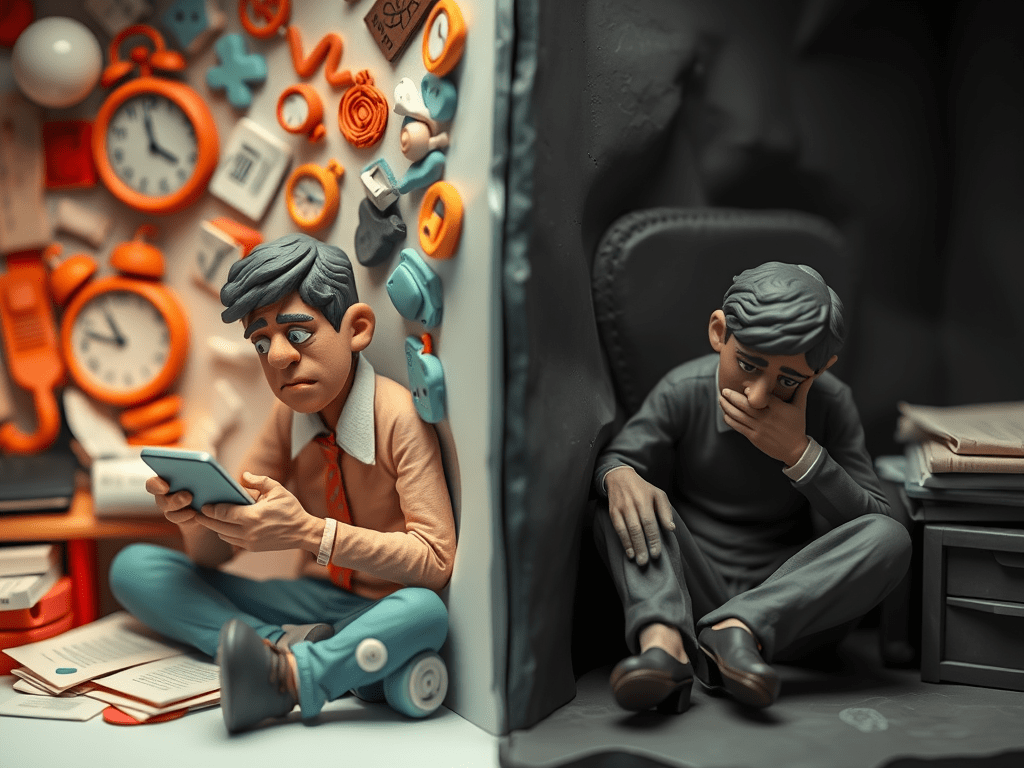

With so many demands on our time, competing interests and the everyday pressures of life, more and more people are becoming daily companions with stress. Stress can be caused by having too much on our plate and not enough time, interpersonal relationships (whether at work, at home or with friends), or due to physical, mental, emotional or spiritual distress.
What is stress?
Stress is a defence mechanism of our bodies and can be caused by emotional, mental, social, physiological or environmental factors.
Stress can be acute (running a race or meeting a deadline) or chronic (toxic) relationships or work environments.
What happens when we are stressed?
When we are stressed, the reason why we are stressed (the stressor) causes our bodies to react with the fight-or-flight response. This reaction is to help us deal with the perceived threat. Our bodies, however amazing and complex they are, react the same whether they are faced with a pack of starving wolves or unrelenting work and social demands.
To help us respond to a perceived threat, our bodies release various hormones such as cortisol and adrenaline. These hormones increase heart rate, blood pressure and energy supplies. We may suddenly need to go to the toilet, feel as though food is sitting in our stomach or have shaking hands, as our body prepares to face the incoming threat.
Acute vs chronic stress
Short-term (or acute) stress is a response to a specific event or situation, such as when we when we have an argument, sudden change of circumstance, or a looming deadline. This can be an unpleasant or intense feeling, but it usually does not last long, resolving once the situation (perceived threat) has passed.
Acute stress can be beneficial, providing that there is space between stressors. It can help motivate us, enhance performance and focus and help us to overcome challenges, allowing our body to respond to perceived threats and ultimately survive.
When stress continues for a long time and becomes chronic from prolonged stressors, such as financial problems, pressures at work, toxic environments at work or home, or due to illness. Our body stays in this heightened state, ready to respond to the perceived stress (including the continual release of hormones).
It is this chronic stress that can be detrimental to our health, taking a toll and wearing us down both mentally and physically.
Chronic stress may increase the risk of;
- Illness through weaking the immune system.
- Inflammation
- Chronic disease (heart disease, diabetes etc.)
- Fatigue, poor sleep and concentration
- Digestive issues (constipations, diarrhoea, reflux, changes in appetite and poor digestion)
- Increased blood pressure
- Decreased ability to adapt to changes
- Poor mental health, emotional dysregulation, isolation, mood swings
- Weight gain
Stress reduction
If reading this is causing you more stress, please don’t despair. We are not powerless, nor is stress the enemy. Stress has a purpose, and there are things that we can all do that may help us.
- Seek professional help to identify the cause of stress (counselling)
- If possible, remove yourself from the stressful situation
- Stay connected with family, friends or support groups.
- Eat a healthy balanced diet (help body cope by providing nutrients)
- Drink water
- Meditation or mindfulness exercises
- Ensure you get adequate sleep
- Set aside time for the things you love.
- Go outside and connect with nature.
- Exercise, dance, walk, play sport – be physically active
When dealing with stress in your own lives, or with someone close to you, it is important to remember that what may stress one person may have a different effect on the next. Other health conditions, sensitivities and our lived experience all play a part in what we may find stressful. You may feel that life is throwing you too many lemons, or you’re stretched too thin, or your body ‘just won’t’, and you feel that you have less energy (or spoons) to get through the day. You may be experiencing sensory overload or overwhelmed your stress is valid, even if others around you seem to be doing fine. It’s what you do about it that matters.
If you would like help navigating through life’s many stressors on your health journey, book your personalised consultation today!

 Lauren Martin Natural Health
Leave a comment