
Water water everywhere… but why do we need to drink
Why is maintaining hydration such an important part of maintaining our health? Perhaps most obvious answer may be because we need drink fluids to survive! We can only go three days without water, yet we can go three weeks without food.
Beyond basic survival, how much should we be drinking to maintain good health? You may be familiar with the recommendations to drink 8 glasses (approx. 250ml) of water a day, or aiming to drink 2 litres of water a day. These recommendations are only a generalisation, and change depending on age, weight, environment (e.g. whether we are in hot climates or air conditioning), health conditions (e.g. diabetes) or if you are taking medication (e.g. diuretics).
Here’s why hydration matters
All the cells in our bodies need water to work and all our body’s fluids (e.g. saliva, blood, urine, sweat and joint fluid) are based on water. Our bodies are constantly losing fluids when we sweat, go to the toilet or even as we breath. As a result, we need to keep replacing the fluids we lose. Our body actually gives us signals when we are dehydrated, such as the sensation of thirst, headaches, a dry mouth, dry skin or darker urine. (Normally urine should be a pale straw colour). Mild dehydration should be readily relieved by simply drinking water.
It is important to drink enough water as water is used to, and may help with the;
- Regulation of body temperature (through sweating)
- Transportation of nutrients around our body
- Maintenance of good Kidney function (which may aid in reducing the risk of kidney stone and kidney damage)
- Absorption of shock to joints and may help decrease joint pain (through lubrication)
- Improvement of alertness, concentration, reaction time, memory, anxiety, overall mood.
- Maintenance health of teeth
- Decreasing the risk of developing chronic diseases (heart failure, diabetes, chronic lung disease, dementia)
- Maintenance of good blood pressure and cholesterol levels
- Reducing the risk of developing UTIs, hypertension, constipation
- Improving waste elimination from the body
- Reducing headaches
- Improving digestion, gas, heartburn, bloating, stool quality
- Improving circulation and increase energy levels
These are just a few of the things adequate hydration may help with.
But what about those who say ‘I don’t like water…’
Water may be a recommended for of maintaining hydration, as a zero-calorie source of hydration that most people are able to easily access. Some people with sensitivities, ARFID or functional conditions may not be able to drink water. In these cases, it is important to work with your health care team to find what works best for you to ensure that your hydration needs are met.
Water may be an ideal and generally accessible substance needed for maintaining hydration, but there are other ways. If you find it challenging to drink enough fluids, you could try playing around with the temperature or flavour of your water. You could try adding fresh fruit and/or herbs (e.g. mint) to water to delight the taste buds and help encourage you to drink more. As we aim to drink enough fluids, it is recommended that you pick options that are low-calorie, low-sugar options and, and if possible, you should carry a bottle of water with you when you go out. We get some fluids (around 20%) from the fruit and vegetables we eat, but the majority of our fluid intake (approx. 80%) comes from what we drink.
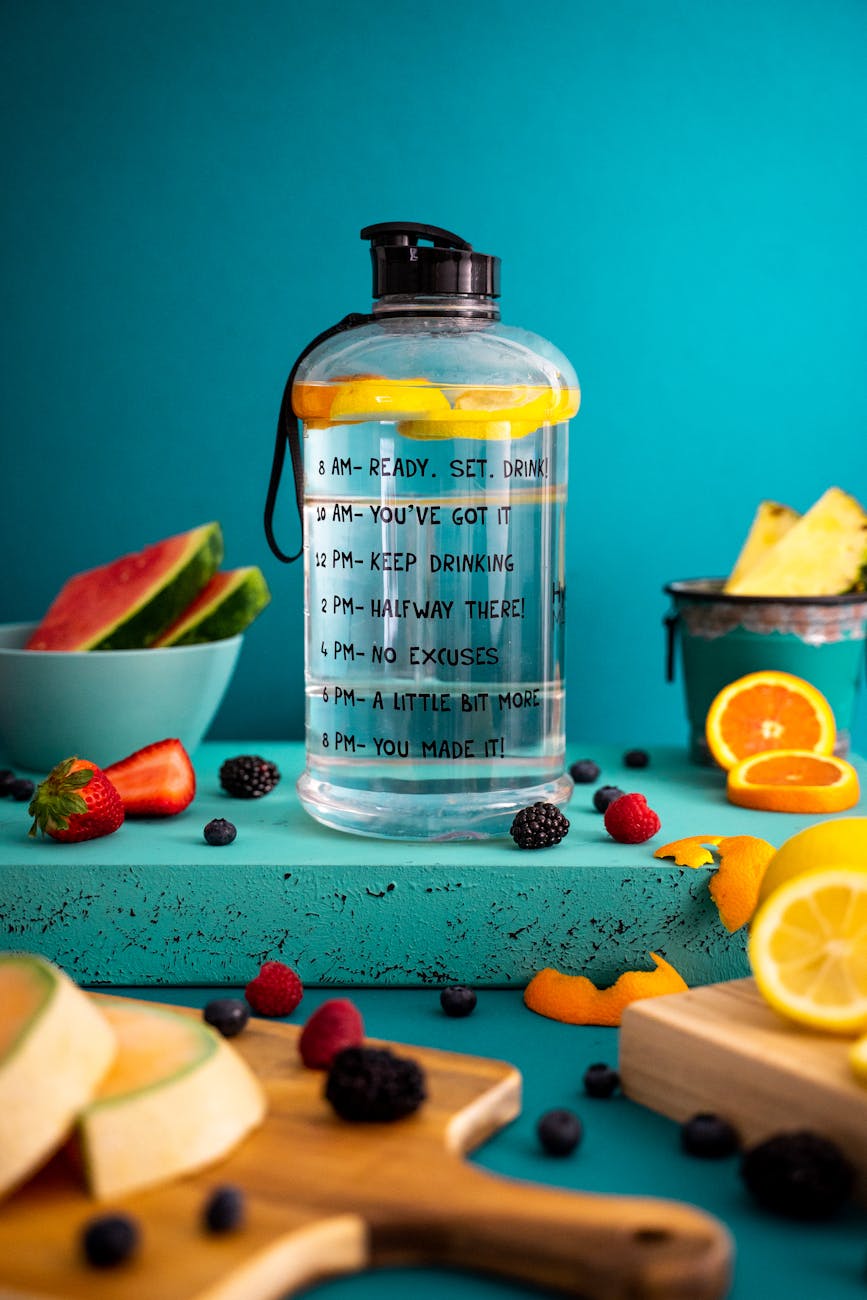
Other drinks and sources of hydration include;
- Juice (drink in small portions due to sugar content)
- Coconut water
- Fresh fruit and vegetables
- Milk and milk alternatives
- Tea and coffee (these can cause increased urination (have a diuretic action) and should be consumed in moderation)
*It is advisable to avoid excessive alcohol, energy drinks and soft drink consumption.
Both young children and older adults are at increased risk of dehydration.
There is a natural decrease in our sense of thirst among other changes to our bodies and their composition as we age. The concurrent use of diuretics and other medications may also increase the risk of dehydration among older individuals.
Healthy hydration is important for our bodies to function at their best, not only for today but for tomorrow. So why not let tomorrow you thank today you.
If you have any questions or concerns contact us and book your personalised health consultation today! At LMNHealth, we would love to support you in your health journey, for today, tomorrow, and through all stages of life.

 Lauren Martin Natural Health
Leave a comment